Specialized care for youth experiencing doubt, worry, upsetting thoughts, compulsions, anxiety, and fear.
Currently Accepting New Clients with Quick Availability
〰️
Complete the Contact Form To Reach out or Schedule a Phone Consultation
〰️
Currently Accepting New Clients with Quick Availability 〰️ Complete the Contact Form To Reach out or Schedule a Phone Consultation 〰️
When children and teens experience things like
Frequent doubt and what if questions
Upsetting, intrusive, and unwanted thoughts
Worries on repeat
Being unable to move on if things aren’t perfect or just right
Feeling guilty about things they “might have” done, thought, or minor mistakes
Difficulty trusting their own senses and judgement
Compulsive behaviors (e.g. hand-washing, reassurance seeking, confessing, evening out)
Physical symptoms of anxiety (e.g. upset stomach, rapid breathing, tension, restlessness)
Specific fears (e.g. dogs, vomiting, bugs)
Separation or social anxiety
Avoidance of various activities, including school, sports, outdoors, friends, foods, and places within the home
There is hope.
When parents find themselves
Reassuring their child, over and over
Listening to their child’s thoughts and not knowing what to say
Wondering why their child cannot get past their fears
Baffled about why their good kid feels like they could be so bad
Pointing out that no, there is nothing there, that little thing doesn’t matter, or that worry just doesn’t make sense.
Doing extra loads of laundry, buying extra soap, washing, checking, or tiptoeing around their child
Trying to calm their child from panic
Carefully planning to avoid triggers related to fears
Unable to move to separate rooms in the home, drop their kid off at school, or have a babysitter
Changing their routines, plans, and regular activities to avoid their child feeling anxious
There is hope.
Built upon a foundation in evidence-based care and years of experience, you’ll find treatment tailored to the unique needs of your child and family.
Your story is welcome here.
As many parents may know, OCD and anxiety don’t always travel alone. Finding a provider knowledgeable about common companions is important for care.

PANS/PANDAS
Some children develop OCD, separation anxiety, or other fear-based symptoms abruptly through a medical condition such as PANS or PANDAS. Therapy is not a substitute for proper medical care; however, having a clinician familiar with PANS/PANDAS allows for individualized support during flares and treatment for the symptoms that have become sticky.
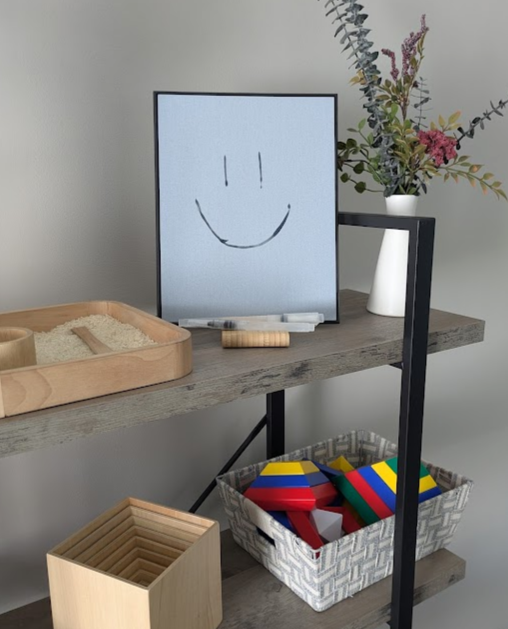
NEURODIVERGENCE
Neurodivergence, including autism, ADHD, giftedness, PDA, and sensory differences, can impact symptom presentation and response to treatment. Finding a provider who is informed and affirming can make all the difference. Children whose brains are wired differently need their treatment to operate from a solid understanding of their individual baseline.
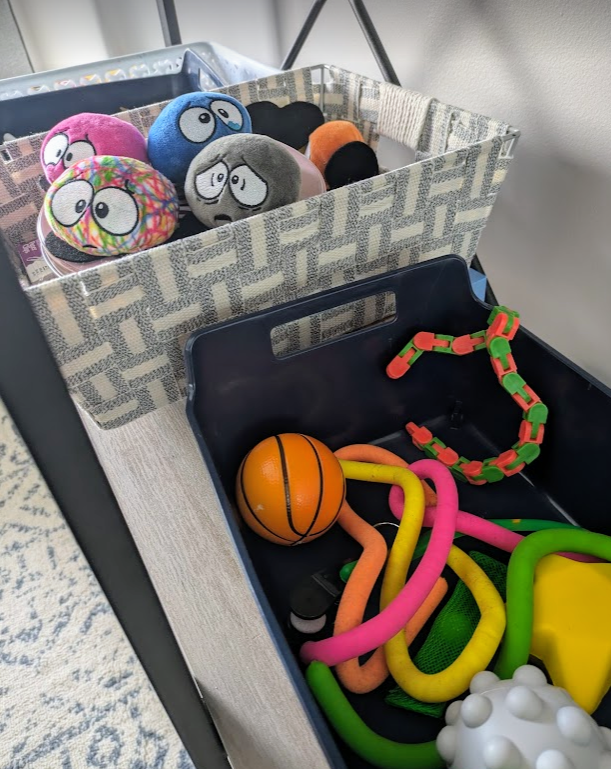
TICS/TOURETTE’S/BFRBS/ARFID
Sometimes it is difficult to differentiate OCD symptoms from tics or body-focused repetitive behaviors. Even restricted eating can show up in a variety of ways, some very influenced by fear or doubt. With careful assessment, treatment can be a better match. Dr. Hoffman has training in CBIT for Tics/Tourettes, HRT for BFRBs, and in ARFID; however, is early in her clinical experience. She is well suited to help you identify and get started with interventions when these experiences are a secondary concern or you are unable to find specialized care.
Get to know
Dr. Alyssa Hoffman
As your child take steps toward freely living, learn more about who will guide them, and you, along the way.

Currently Accepting New Clients
Are you ready to reach out? Completing this contact form is often the quickest way to get scheduled. Please check your spam and sub-folders in the days following to be sure you don’t miss a reply.
If you’d prefer to speak directly, please request a phone consultation at your convenience or call 317-967-6829.